If there's one drink that taught me to take espresso seriously, it's the cappuccino. Not because it's the most complex (it isn't), but because every flaw in your espresso is laid bare by the simplicity of the milk. There's nowhere to hide.
The cappuccino has become my morning benchmark. I make one almost every day, and it tells me immediately whether I dialled in well or whether I need to adjust the grind. It's honest in a way that sweeter, busier drinks can never quite be.
My Recipe vs. a Standard Cappuccino
The numbers I've landed on are a little different from the textbook cappuccino. Here's where they sit and why.
| Traditional Cappuccino | This Recipe | |
|---|---|---|
| Bean | Any espresso roast | Counter Culture Forty-Six |
| Dose | 14–18g | 21g |
| Extraction yield | 28–36g | 42g |
| Brew ratio | 1:2 | 1:2 |
| Milk volume | 80–120ml | 180ml |
| Total drink | ~150ml | ~220ml |
| Milk temperature | 65°C | 60°C |
| Foam style | Thick dry cap | Velvety microfoam |
A traditional cappuccino is a third espresso, a third steamed milk, and a third stiff foam, totalling around 150ml. My version is larger, uses more milk, and keeps the foam much silkier. It's closer to what specialty shops call a "wet cappuccino" or a large cappuccino, though I just call it mine.
The higher dose (21g vs. the standard 18g) comes from the bean. Counter Culture Forty-Six is a medium roast blend built around chocolate, almond, and dried fruit notes. It's approachable but not flat, and the extra gram or two of coffee gives the shot enough body to hold up against 180ml of milk without disappearing. At 18g it gets lost.
The Bean: Counter Culture Forty-Six
Forty-Six is Counter Culture's year-round espresso blend. It's designed to be consistent and balanced across a range of home setups, which makes it a good daily driver. The notes I get most consistently are dark chocolate, a hint of dried fruit (fig or raisin depending on the day), and a clean finish with no bitter edge when the shot is well-extracted.
It's not the most exciting bean in the world, and that's the point. I want something I can dial in once and trust for weeks. Forty-Six earns that.
The Shot
21g in, 42g out, 25 to 27 seconds. The 1:2 ratio is the same as a traditional cappuccino, but scaled up to match the larger milk volume. A shot that works at 18g/36g will tend to read as weak in a larger drink. The 21g dose keeps the espresso assertive enough to define the flavour of the cup.
I grind fresh for every shot. With a cappuccino, the difference between grinding a few minutes ahead and grinding right before is noticeable in the cup. The aromatics don't hang around.
On Forty-Six I find a grind setting that extracts in about 25 seconds tends to pull the chocolate notes cleanest. Go much longer and the dried fruit notes start to fade into something flatter.
Steaming the Milk
180ml of whole milk, steamed to 60°C. I've tried oat milk here and it works, but whole milk gives a richer body that suits the chocolate notes in Forty-Six better.
I aim for 60°C rather than the 65°C you'll see in most guides. At 60°C the milk is sweet and the foam has a glossy, paint-like texture. A few degrees hotter and things start to tighten up, and you lose some of the roundness. The drink also stays at a comfortable temperature longer instead of being too hot to taste for the first few minutes.
More air than a flat white, less than a macchiato. I stretch the milk for about two seconds longer than I would for a flat white, pulling the steam tip close to the surface early before bringing it deeper as the volume grows. The goal is a thick, glossy microfoam that holds its shape when you pour.
The Pour
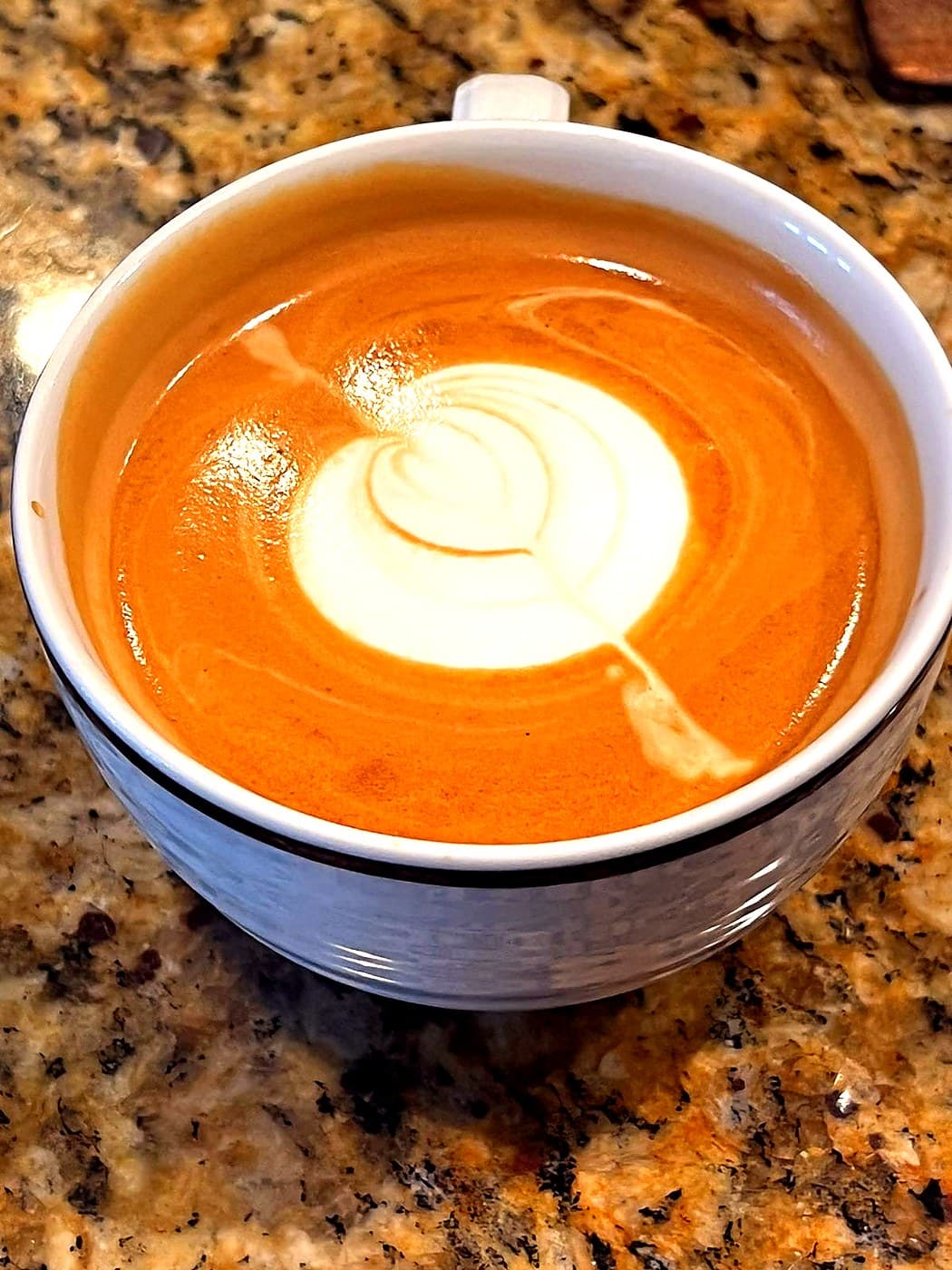
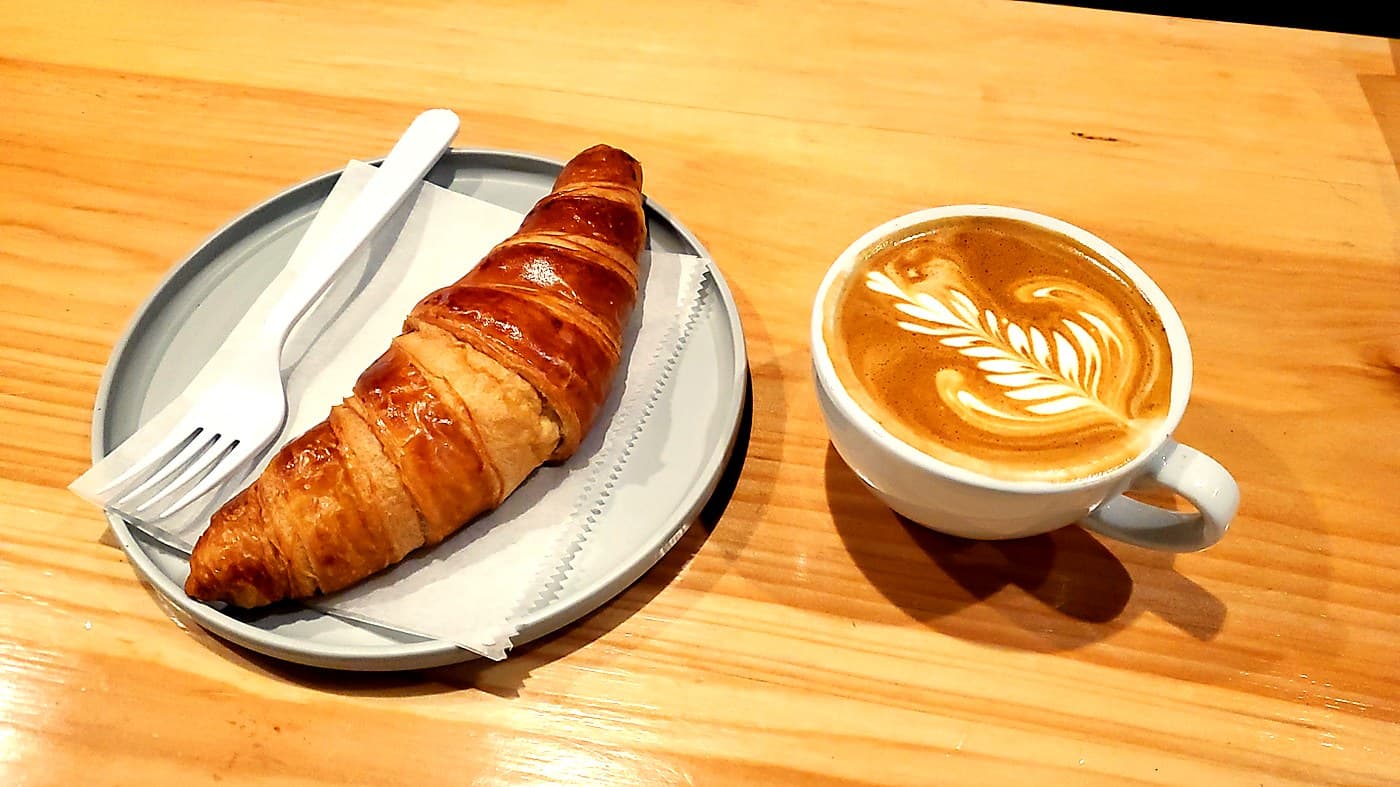
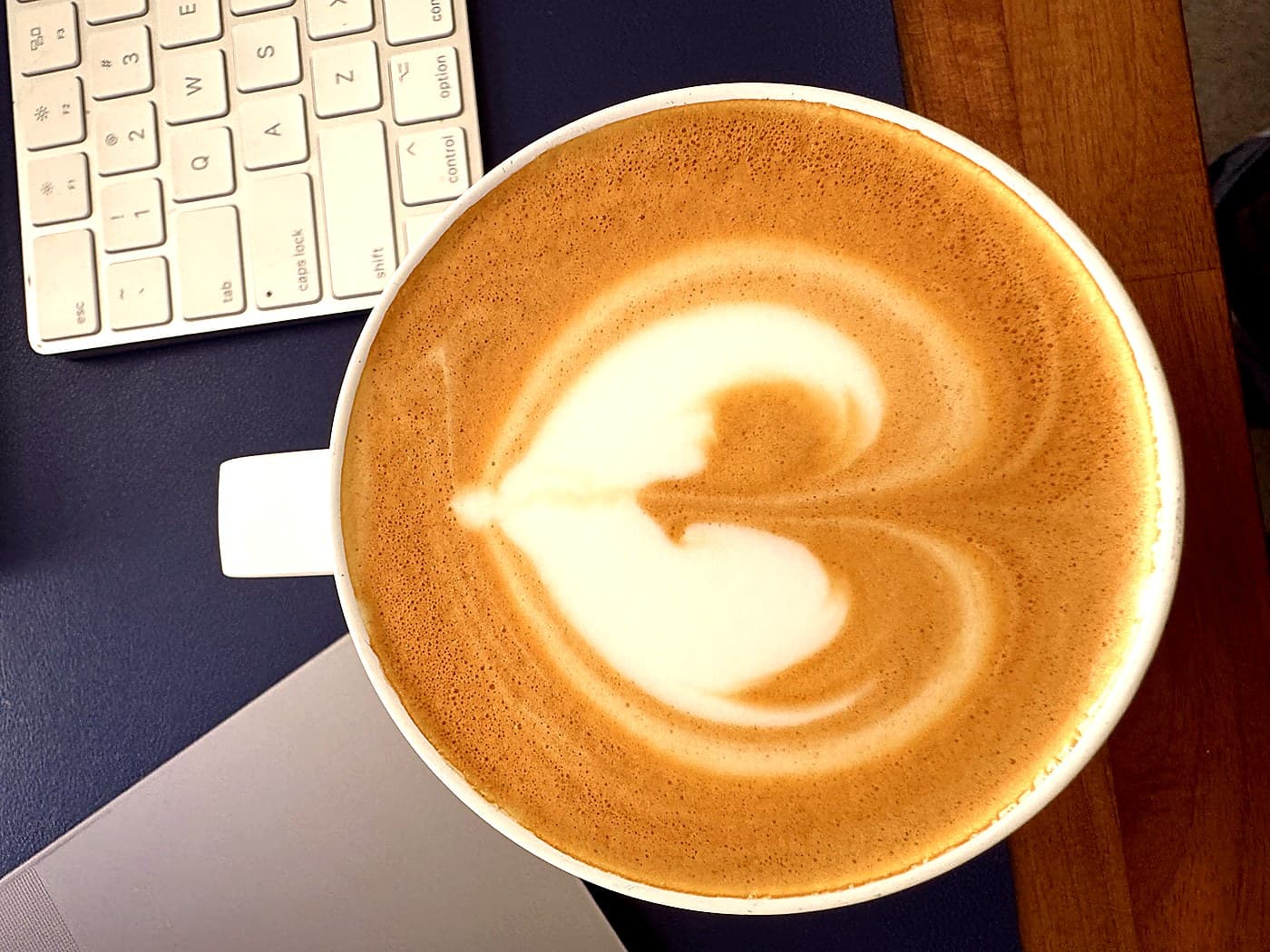
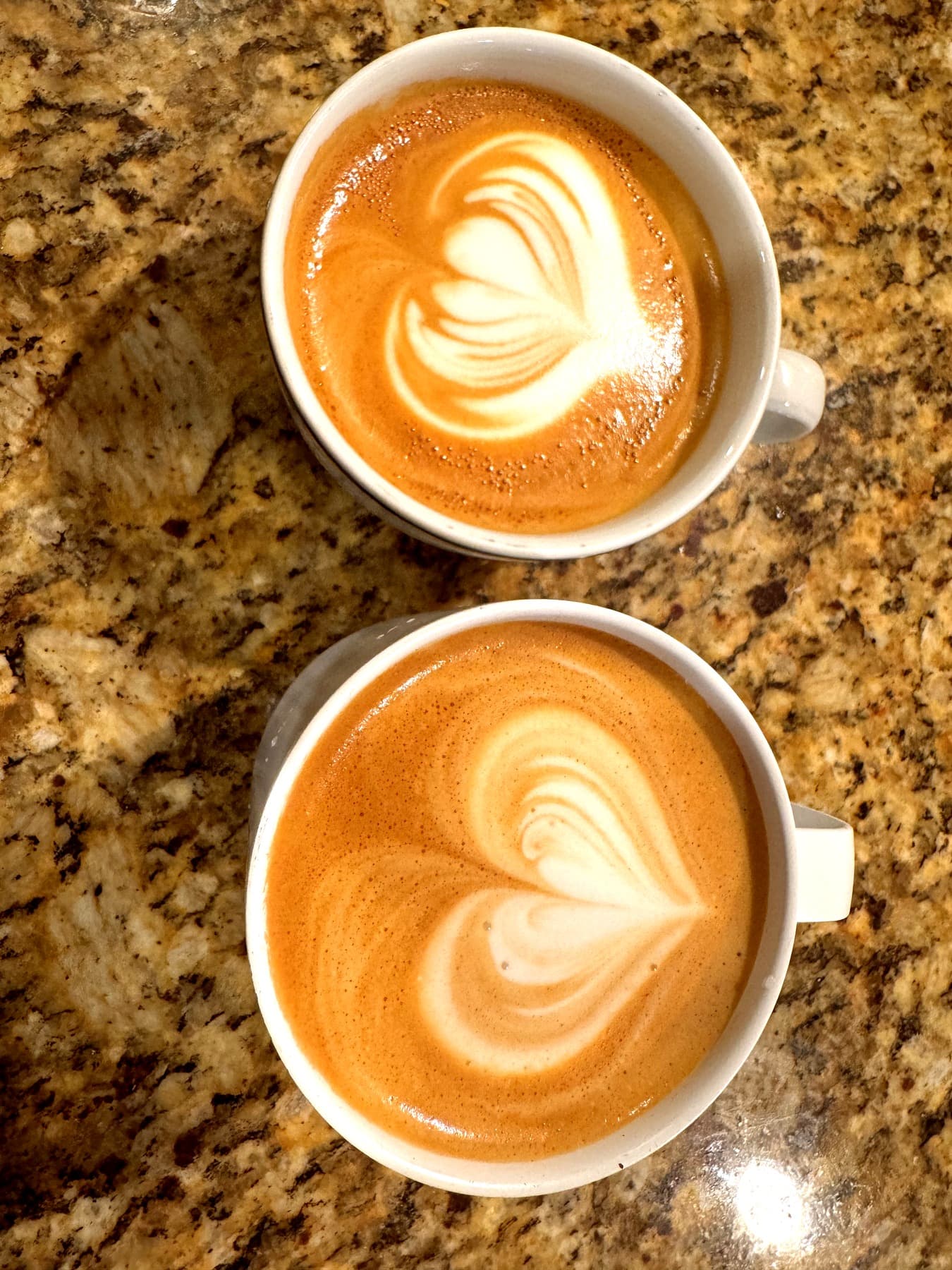
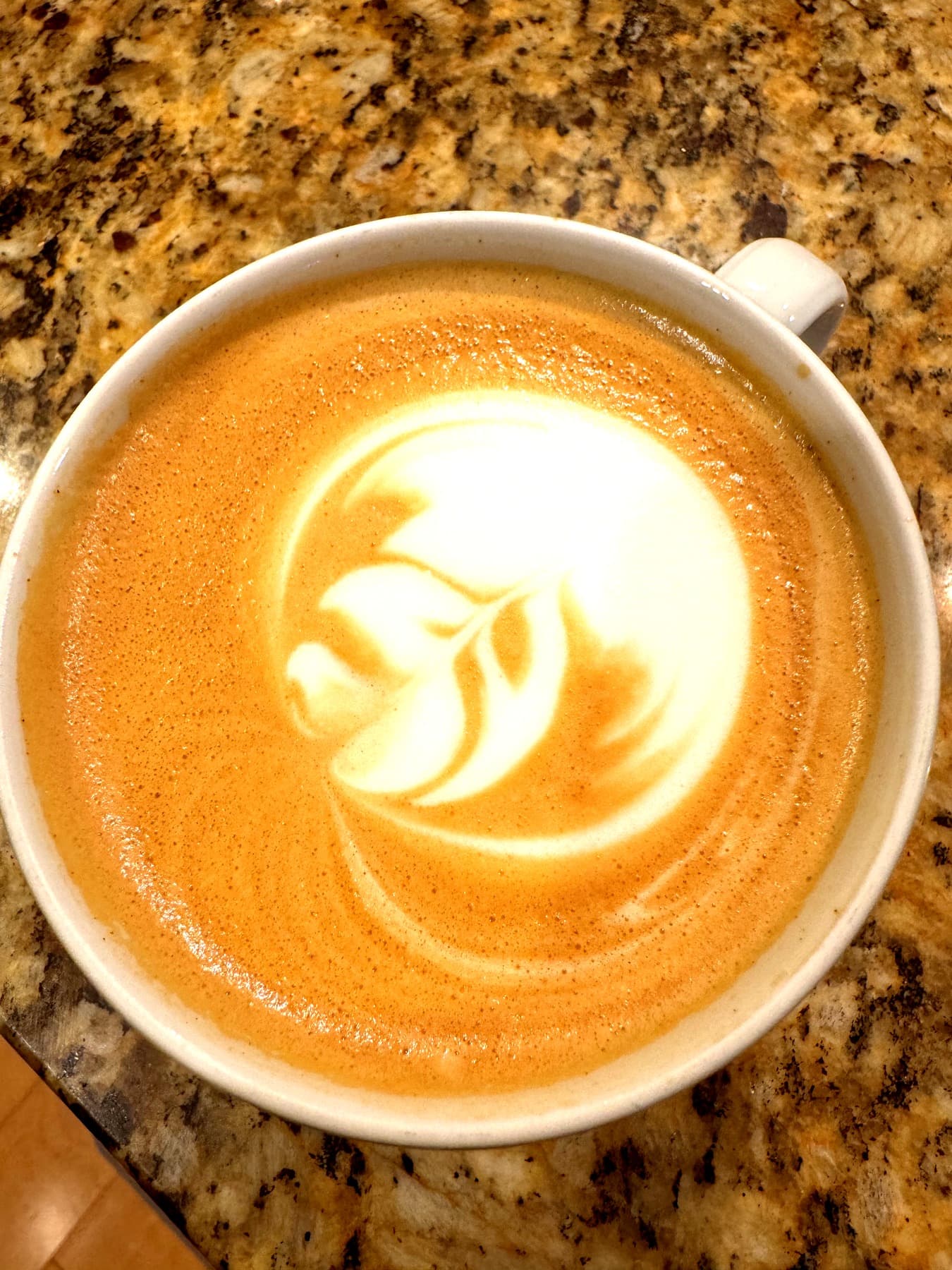
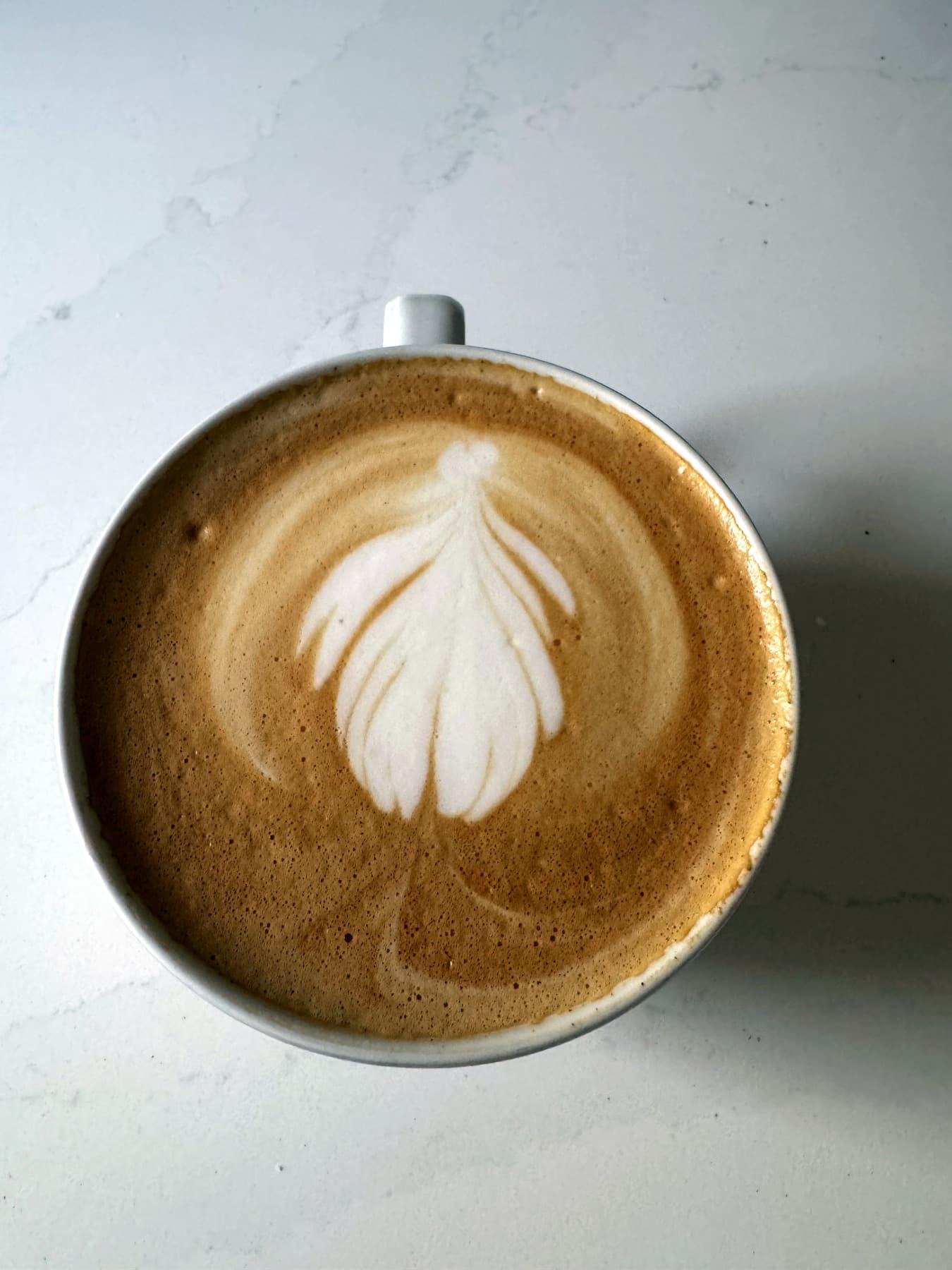
The pour on a cappuccino is different from a latte. I tilt the cup more steeply and pour from a slightly higher height to break through the top layer of foam and let the foam float naturally above the milk. When it works, you get a clear white cap sitting above the espresso-tinged milk.
Some mornings it's a clean tulip. Some mornings it's something that only vaguely resembles a pattern. The flavour is the same either way.
Notes
- Whole milk is my default. The fat content gives a richer texture and the foam holds longer than oat milk.
- Pre-warm everything, including the cup and milk pitcher. Cold equipment throws off your timing and makes it harder to hit your target temperature.
- Don't tap and swirl too aggressively after steaming. You want to integrate the foam without knocking out all the air you just put in.
- The larger milk volume (180ml vs. the traditional 80-120ml) is a deliberate choice. It makes the drink more approachable as a morning coffee without losing the character of the espresso.
Photos